The Human Body System
Pneumonic Plague
This diseae is very a very dangerous disease that severly affects the lungs. It can be transmitted form animals to humans or from humans to other humans by breathin in respiratory droplets from an infected person, or by breathing in yersinia pestis which is a bacteria that causes plagues. A plague very similar to this one called bubonic plague cause nearly 200 million casualties in the the 14th century. Pneumonic plage can be caused by an untreated bubonic plague. This plague causes pneumonia and jut destroys your lungs.

Signs and Symptoms
This disease does have some symptoms that will be present. These include:
-
fever
-
headache
-
weakness
-
rapidly developing pneumonia with shortness of breath
-
chest pain
-
cough
-
sometimes bloody or watery spitum

Treatement
Very fortuantely, there is a way to treat this disease. If it is found early enough, it can be treated with antibiotics. If this disease is not discovered very quickly, the consequence could be death. People that live around the infected person are also required to take antibiotics to prevent getting it.

Risk Factors
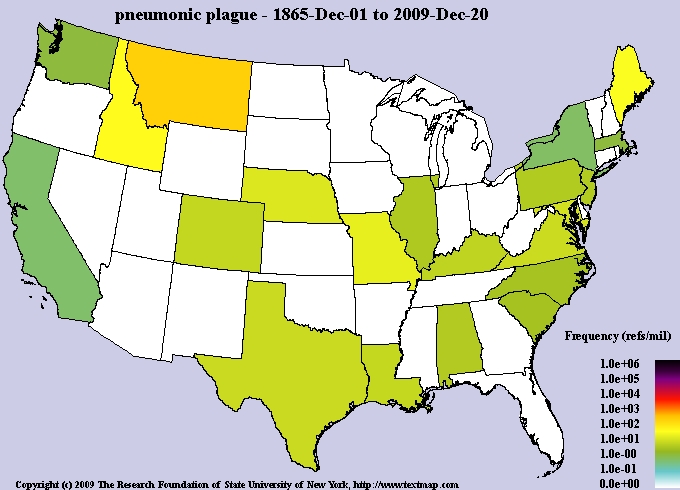
There are a few risk factors that go into this disease. Being exposed to certain rodents (rabbits, squirrels, or prarie dogs) or scratches from cats that are infected are some of these. Even being bit by a flee is something that could cause this disease. Anyone can be affected by this disease, espically if there is an outbreak. There are nearly 2000 cases a year and from 1900 - 2010 there have been at least 999 cases of plage, most of which being bubonic, but there were no exact statistics on pneumonic.
Prevention
Prevention of this disease is a little bit of a toss up, but reducing risk factors by staying away from such animals will help. Also if an infected person is living in the same household as you, antibiotics can be taken to prevent the bacteria from even infecting the lungs.